
The Shale Revolution
The energy landscape was fundamentally changed at the onset of the 21st century...

The Shale Revolution refers to the significant increase in the production of shale oil and shale gas that has taken place in the United States since the early 21st century. This increase in production has been made possible by the development of new technologies, such as hydraulic fracturing (also known as "fracking") and horizontal drilling, which allow energy companies to extract oil and gas from shale formations that were previously considered too difficult or expensive to tap.
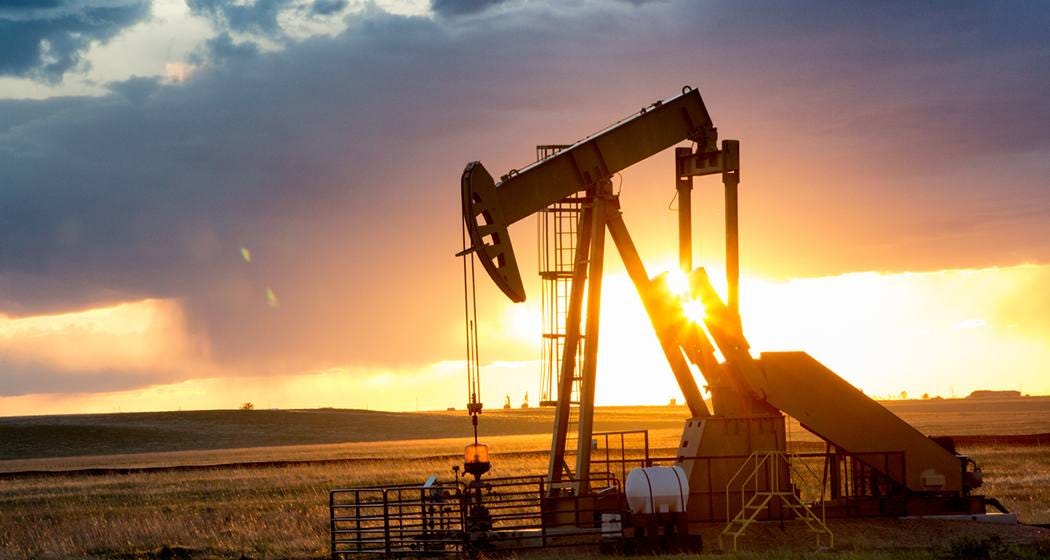
The Shale Revolution has had a major impact on the energy industry in the United States and beyond. It has helped to reduce the country's dependence on foreign oil and has contributed to lower energy prices. It has also created new job opportunities and economic growth in areas where shale oil and gas are being produced.
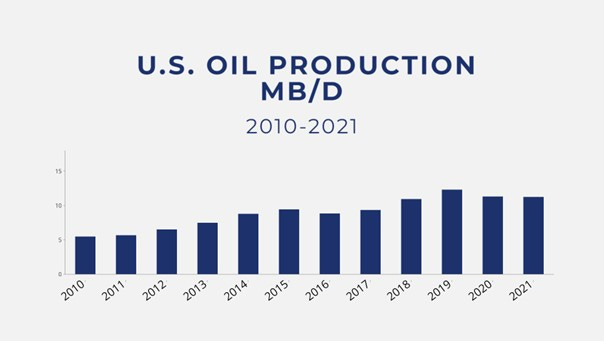
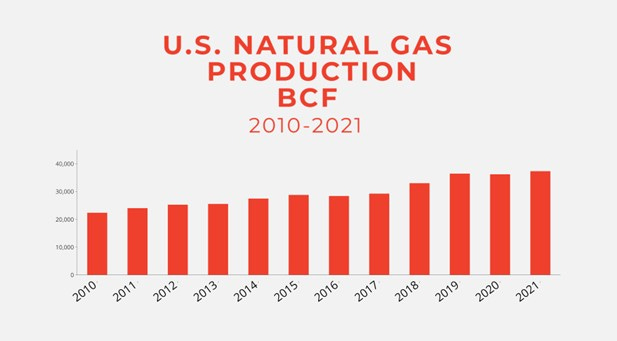
*chart data comes from the U.S. Energy Information Administration
However, the Shale Revolution has also faced criticism and controversy. Some argue that the environmental impact of hydraulic fracturing, including the potential for water contamination and air pollution, has not been adequately addressed. There have also been concerns about the impact of fracking on the global climate, as the extraction and use of fossil fuels is a major contributor to greenhouse gas emissions.
Overall, the Shale Revolution has had a significant impact on the energy industry and has helped to reshape the global energy landscape. It has both brought benefits and raised important questions and challenges that will continue to be debated and addressed in the coming years.